

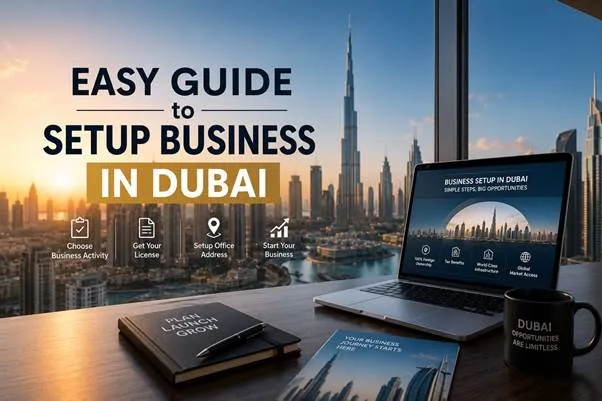
Dubai presents a remarkable opportunity for entrepreneurs and businesses looking to expand their horizons. Known for its dynamic economy, strategic location, and business-friendly environment, the city has streamlined processes to make company formation accessible. This guide simplifies the journey, outlining the essential steps and considerations for establishing your venture in this vibrant emirate.
Key Takeaways:
-
Setting up a business in Dubai involves choosing between mainland, free zone, or offshore structures, each with distinct advantages.
-
Dubai offers significant benefits like a tax-efficient environment, robust infrastructure, and access to global markets.
-
Eligibility for business setup is broad, catering to individuals and corporate entities with proper documentation.
-
Strategic planning and market assessment are crucial before initiating the setup process to ensure long-term success.
-
Free zones, such as Meydan Free Zone, provide 100% foreign ownership, full repatriation of capital and profits, and specific industry benefits.
-
The process generally includes selecting a business activity, choosing a legal structure, obtaining a trade name, securing initial approvals, acquiring a license, and opening a corporate bank account.
-
Leveraging professional business setup services can significantly simplify and expedite the entire registration journey.
Understanding Business Structures in Dubai
What kind of business can you set up in Dubai? The emirate offers several legal structures tailored to different business needs and objectives. Understanding these is the first step in planning your venture.
-
Mainland Company:
-
Allows you to operate anywhere in the UAE and engage directly with the local market.
-
Requires a local sponsor or service agent (for certain legal forms, 100% foreign ownership is now allowed in many sectors).
-
Regulated by the Department of Economic Development (DED).
-
Free Zone Company:
-
Operates within specific designated free zones across Dubai.
-
Offers 100% foreign ownership, full repatriation of capital and profits, and various tax incentives.
-
Ideal for businesses focused on international trade or specific industries within the free zone.
-
Offshore Company:
-
Primarily used for holding assets, international trading, or consultancy outside the UAE.
-
Cannot conduct business within the UAE itself.
-
Provides high levels of privacy and asset protection.
Reasons for Choosing Dubai for Business
Why should you choose establishing your business in Dubai? The city’s appeal as a global business hub is based on several compelling factors that attract entrepreneurs worldwide.
-
Strategic Global Location: Positioned as a gateway between East and West, offering easy access to emerging markets in Africa, Asia, and Europe.
-
Tax Efficiency: Enjoy zero corporate tax on profits and no personal income tax (for most businesses, unless operating in specific sectors like oil & gas or banking).
-
Robust Infrastructure: World-class airports, ports, roads, and telecommunication networks support efficient business operations.
-
Stable Economy and Government Support: A strong, diversified economy backed by government initiatives to foster business growth and foreign investment.
-
Ease of Doing Business: Continuous efforts to simplify regulations and processes for company formation and operation.
-
Talented Workforce: Access to a diverse, skilled, and multilingual talent pool from around the globe.
-
High Quality of Life: Attracts and retains professionals with its modern amenities, safety, and cultural diversity.
Eligibility for Business Owners
Who can set up a business in Dubai? The regulatory framework is designed to accommodate a wide range of investors, both individual and corporate.
-
Individuals:
-
Any individual over 18 years of age, regardless of nationality, can apply to set up a business.
-
Requires a valid passport and typically a clear background check.
-
Specific professional qualifications may be needed depending on the business activity.
-
Corporate Entities:
-
Existing companies can establish branches or subsidiaries in Dubai.
-
Requires proof of existing company registration, board resolutions, and good standing certificates from the home country.
-
Local Sponsor/Service Agent:
-
For mainland companies, a local partner (UAE national) owning at least 51% of the shares was historically required, though recent reforms allow 100% foreign ownership for many activities.
-
A Local Service Agent is required for professional license companies with 100% foreign ownership on the mainland.
-
Compliance with Regulations: All applicants must comply with UAE laws, regulations, and industry-specific requirements.
Optimal Timing for Business Formation
When is the best time to set up your business in Dubai? While there’s no single “perfect” moment, strategic timing can greatly influence your venture’s success.
-
Market Readiness: Assess the current demand for your product or service in the UAE market. A strong understanding of market gaps and consumer needs is crucial.
-
Economic Climate: While Dubai’s economy is generally stable, being aware of global and regional economic trends can help inform your entry strategy.
-
Personal Preparedness: Ensure you have adequate capital, a clear business plan, and the necessary personal resources to dedicate to the setup process.
-
Regulatory Changes: Stay informed about any new government initiatives or changes in business laws that might impact your industry or setup costs. Dubai frequently updates its regulations to enhance business ease.
-
Seasonal Factors: For certain businesses (e.g., tourism, retail), seasonal peaks and troughs might influence when you choose to launch your operations to maximize initial impact.
Choosing the Right Location: Mainland vs. Free Zone
Where exactly should you establish your business in Dubai? The choice between mainland and free zone largely depends on your business activities and strategic goals.
-
Mainland Advantages:
-
Ability to trade directly with the local UAE market without restrictions.
-
Option to bid for government contracts.
-
More flexibility in office location choices across the emirate.
-
Free Zone Advantages:
-
100% foreign ownership is a core benefit.
-
Exemption from corporate and personal income taxes (specific to the free zone).
-
100% repatriation of capital and profits.
-
Simplified customs procedures for import and export.
-
Specialized free zones cater to specific industries, offering tailored facilities and networking opportunities.
-
Meydan Free Zone: This specific free zone is located in the heart of Dubai, offering a prestigious address, a modern infrastructure, and a range of business activities suitable for various industries. It provides competitive business setup packages and a supportive environment for entrepreneurs aiming for quick and efficient company registration. Meydan Free Zone can help businesses by providing a streamlined registration process, flexible office solutions, and access to a vibrant business community, all while enjoying the numerous benefits of a free zone setup in a prime Dubai location.
-
Offshore Entities:
-
Ideal for international business, holding companies, and asset protection.
-
Does not permit physical office space or trading within the UAE.
The Practical Steps: How to setup your business in Dubai
How to setup your business in Dubai involves a series of clear, actionable steps. Following this process will guide you smoothly through the registration and licensing requirements.
-
Step 1: Define Your Business Activity:
-
Clearly identify the nature of your business operations. This determines your license type and legal structure.
-
Ensure your chosen activity is permitted in Dubai and within your chosen jurisdiction (mainland or free zone).
-
Step 2: Choose Your Legal Structure:
-
Decide between a sole proprietorship, civil company, limited liability company (LLC), branch of a foreign company, or a free zone establishment (FZE)/free zone company (FZC).
-
Step 3: Reserve a Trade Name:
-
Submit several preferred company names for approval. The name must comply with UAE naming conventions (e.g., no offensive words, no abbreviations unless part of a company’s full name).
-
Step 4: Obtain Initial Approval:
-
This confirms that the authorities have no objection to you setting up your business. It requires submitting your proposed business activity, legal structure, and shareholder details.
-
Step 5: Prepare Necessary Documents:
-
Gather all required paperwork, which typically includes passport copies of shareholders and managers, Emirates ID (if applicable), visa copies, a no-objection certificate (NOC) from a current sponsor (if employed), and memorandums of association.
-
Step 6: Secure Office Space (Virtual or Physical):
-
Depending on your chosen legal structure and activity, you will need a physical office, co-working space, or a virtual office solution. Free zones often offer flexible desk and office packages.
-
Step 7: Apply for Your Business License:
-
Submit all approved documents and pay the licensing fees to the relevant authority (DED for mainland, or the specific Free Zone Authority).
-
Licenses are usually issued within a few days to a few weeks, depending on the complexity and jurisdiction.
-
Step 8: Open a Corporate Bank Account:
-
Once your license is issued, you can open a corporate bank account with a local or international bank in Dubai. This requires your company’s license, incorporation documents, and shareholder/manager personal documents.
-
Step 9: Apply for Visas and Residence Permits (if needed):
-
If you or your employees require a UAE residency visa, you can apply through your newly registered company. This involves medical tests, Emirates ID application, and visa stamping.
